Cultural Tapestry of Farewell: Social Fabrics and Cultural Customaries in India
Wiki Article
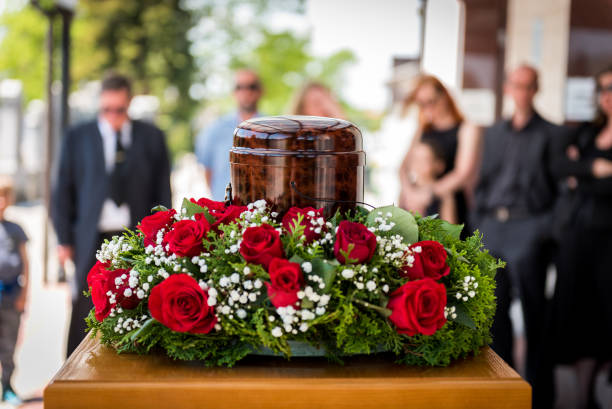
Throughout the rich cultural regions of India, customs dedicated to celebrating a completed life reflect a deep commitment to social solidarity. From rural villages to major cultural hubs, the rites dedicated to paying final respects demonstrate unmatched grace, historical roots, and mutual support. Far from viewing departure with isolated sorrow, these customs serve as a vital cultural bridge, uniting relatives, honoring elders, and passing down timeless values. The quiet period immediately after a farewell are observed with attentive care and respect. Loved ones lovingly execute time-honored home traditions that have been refined over centuries. The departed loved one is dressed in spotless traditional attire representing local artistic styles. Simple white clothing remains the classic preference, reflecting social balance, harmony, and pristine beauty. Among various ethnic lineages, festive cultural cloths are selected to celebrate an elder's wisdom and societal contributions. Fresh blossoms and natural garlands form a central element throughout this artistic setup. Artistically woven wreaths of sweet jasmine, brilliant marigolds, and fresh roses are carefully arranged around the individual. These colorful arrangements represent more than mere visual beauty; they represent the vibrant beauty of life and the honor bestowed by the family. Anointing with cooling sandalwood, pure rose oils, and herbal extracts underscores the high level of respect, hygiene, and beauty present in the household. Among the most celebrated social features of Indian funeral customs is the ceremonial procession leading from the home toward nature's resting site. Referred to as a collective march of respect, this communal journey unites the broader neighborhood in mutual support. Fellow villagers and urban neighbors join together along the entry paths, garbed in white garments of respect to demonstrate solidarity and visual harmony. The loved one rests upon a traditional litter made from natural bamboo, adorned with fresh green leaves, traditional woven textiles, and rich floral garlands. While the gatherers walk along the neighborhood paths, neighbors exchange places to help carry the bamboo litter. This hands-on participation represents a meaningful tradition of social unity, showing that the entire neighborhood shares the family's burden. In many regions, gentle instrumental music played on traditional flutes, drums, or bells enhances the journey, offering a graceful auditory backdrop that informs the local district of a completed life journey. India's immense cultural diversity manifests clearly in the varied funeral customs observed across different geographical regions and ethnic groups. While core values of respect and community remain universal, the visual and artistic details differ wonderfully from north to south, and east to west. Following the primary ceremonial rites, Indian cultural heritage dictates a structured period of home-based remembrance, generally spanning ten to thirteen days. Throughout these days, the domestic residence serves as a welcoming venue for guests arriving from nearby and far-off locations who travel from afar to offer condolences and pay their respects. Serving visitors during these days is a cherished cultural duty. Wholesome vegetarian dishes are cooked continuously to serve all guests who arrive to honor the family. This practice of joint dining creates strong emotional bonds, provides an opportunity to recount cherished personal stories, allowing the neighborhood to take care of all domestic chores for the family. The conclusion of the primary formal gathering period features a generous community gathering. Elders speak about the individual's life legacy and community service, preserving family heritage for children and grandchildren. Acts of charitable giving—including gifting garments to neighbors, funding local schools, or providing meals to the needy—are carried out to celebrate the person's legacy, reinforcing the value of community service and social responsibility.
Hindu Burial Ground Adityanagra Traditional communities in India meet this final transition with warm hospitality and deep cultural devotion. From the vibrant rural villages to the bustling urban centers, the arrival of extended family and supportive neighbors underpins every step of the cultural farewell. This social tradition provides a supportive atmosphere where loved ones share comfort, honor lived memories, and preserve personal accomplishments.
Dignified Preparation and Family Care
Processions of Honor: Community Unity
Element
Material Used
Community Role
Dress Code
Simple White Cotton Garments
Symbolizes social equality, peace, and community unity.
Carrying Litter
Handcrafted Local Bamboo
Reflects connection to nature and traditional craftsmanship.
Wreaths
Fresh Marigolds, Lotus, and Roses
Represents honor, aesthetic beauty, and respect.
Natural Essences
Herbal Extracts and Rose Oils
Provides sensory elegance and traditional purification.
Regional Expressions of Honor
Harishchandra Ghat Electric Crematorium Whether the final resting customs involve traditional earthen burials or ceremonial fire arrangements, the emphasis stays firmly placed on cultural values of offering the individual back to nature's elements in a manner that honors the land and traditional environmental philosophy.
Hospitality, Remembrance, and Social Continuity
Final Reflections: Honor, Artistry, and Unity
Dead Body Transportation in Hyderabad The farewell traditions of India present a masterclass in community togetherness, textile art, and social respect. By transforming a moment of farewell into a dignified celebration of cultural heritage, these practices highlight the power of family bonds and social networks. With delicate floral craft, peaceful white processions, distinct regional arts, and open-door hosting, communities across India pay magnificent tribute to their elders and keep their rich social fabric alive for years to come.